ES
ES 
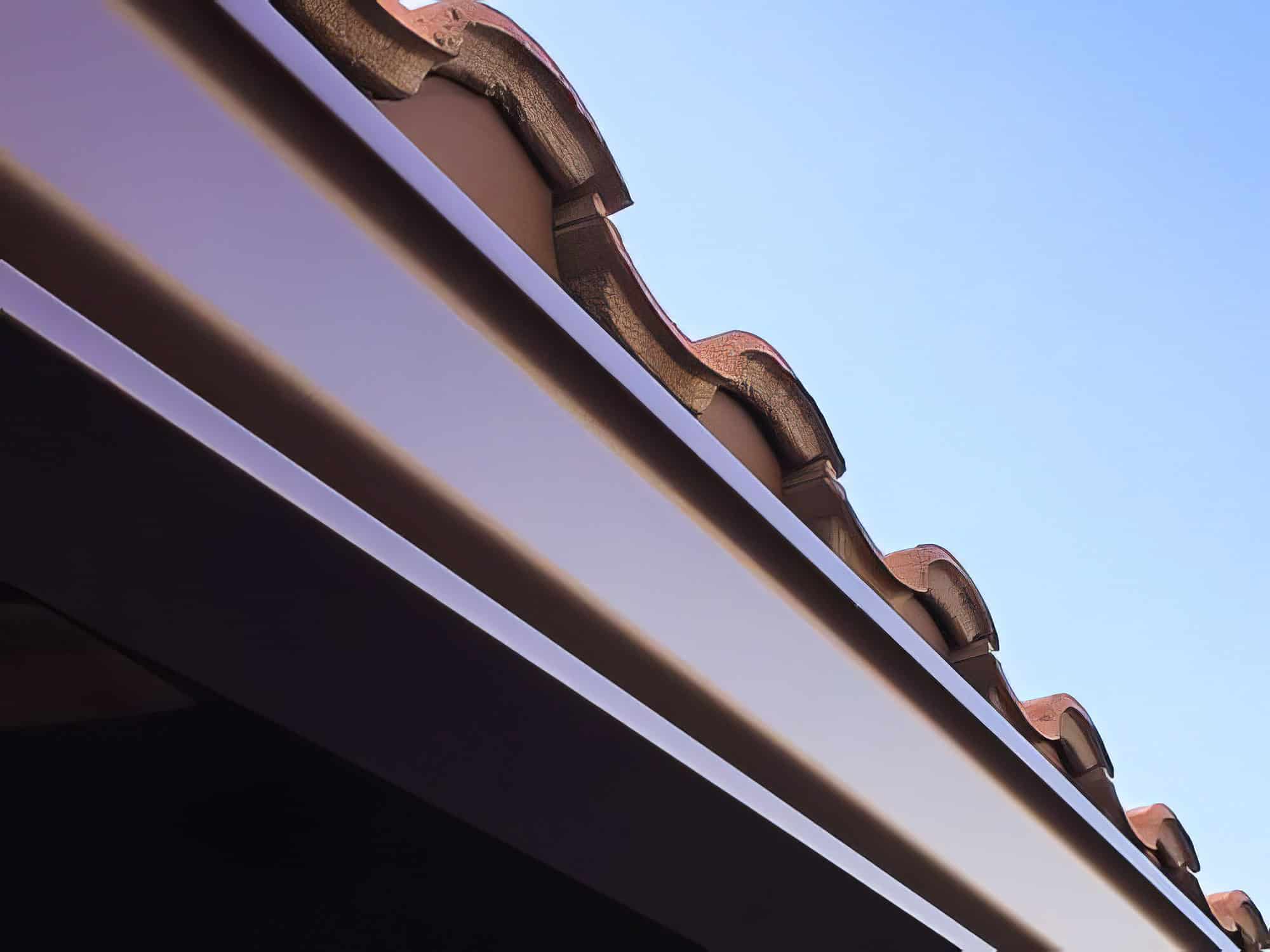
Fascia gutter support is the structural relationship between your gutters and the wood board they hang from. On most Tucson homes the gutters do not attach to the roof itself. They attach to the fascia, the flat board that runs along the lower edge of the roofline just below the shingles, and that board carries the entire run. When the fascia is sound, the gutters stay level and tight to the house. When it is not, no amount of quality gutter can make up for a mounting surface that has started to fail. That is why fascia condition and gutter performance are really one subject, and it is a big part of why our fascia wrap service exists in the first place.
This matters more in Southern Arizona than people expect. Our climate looks gentle on wood for most of the year, then the monsoon arrives and loads the system fast. A gutter full of moving water pulls hard on every fastener, and every one of those fasteners is anchored in the fascia. Understanding how that support works helps you catch trouble early, before a sagging gutter turns into water running against your foundation.
What fascia gutter support actually means
Fascia gutter support means the fascia board acts as the mounting surface and the load-bearing anchor for the gutter run. The fascia is the finished board along the edge of the roof, sitting just under the shingles. Gutters hang from it with metal hangers, so the board carries the weight of the gutter, the water inside it, and any debris that collects along the way. Put simply, the gutters do not float on the roof. They lean on the fascia for their entire length.
Because that connection is continuous, a weak spot in the fascia becomes a weak spot in the gutter above it. A short section of soft or cracked wood can let one part of the run drop while the rest stays put, which throws off the slope and creates standing water where there should be flow. Keeping the board healthy is the quiet half of keeping gutters working, and it is the half most homeowners never think about until something starts to sag.
How your gutters attach to the fascia
Gutters attach to the fascia with hangers that fasten through the board, and the strongest installations reach past the wood into the rafter tails behind it. Hidden hangers are the common choice on residential K-style gutters. They clip into the front lip of the gutter and screw through the back into the fascia. Most installers set these hangers roughly every 24 inches, which is the accepted standard for solid support, although the right spacing can shift with the gutter size and local conditions.
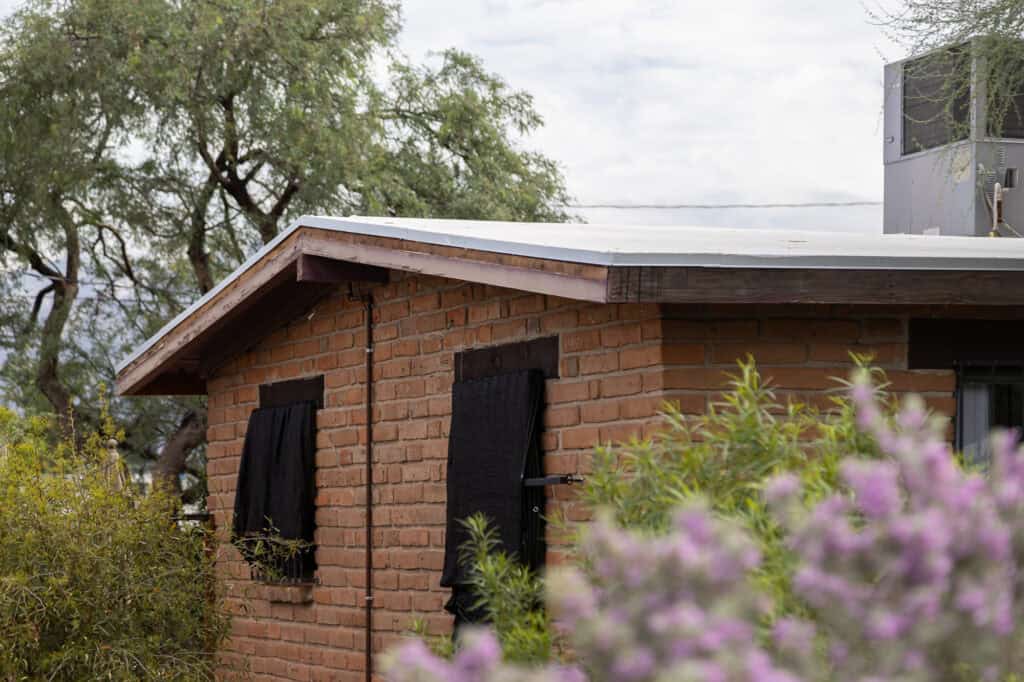
The key point is that every hanger is only as good as the wood it bites into. Home inspection guidance stresses checking the connection where the gutter meets the fascia, looking for gaps, loose spikes, and daylight between the back of the gutter and the board. You can see how inspectors evaluate that connection in this guide to inspecting gutters and downspouts from a national home inspection association. When the fastening is right and the board is solid, the whole gutter system stays put through years of weather.
Why the load matters during a Tucson monsoon
The load matters because a gutter in use is far heavier than it looks when empty. Seamless gutters are custom-formed on site in one continuous piece, and during a storm a gutter can hold the weight of a full-grown person. All of that weight transfers straight into the fascia through the hangers. During a hard monsoon cell, water fills the run faster than it can drain, and the fascia has to bear that surge without flexing or letting go.
Tucson does not deal with the snow and ice loads that push northern installers toward tighter hanger spacing, so the local test is a different one. Here it is repeated cycles of intense sun followed by sudden heavy rain. That pattern is hard on wood, and it is hard on the fasteners holding your gutters to that wood. Support that seemed perfectly fine in April can be put to the test in July, which is exactly why good fascia gutter support is worth attention before the season starts, not after.
What happens when the fascia can no longer hold
When the fascia can no longer hold, the gutters usually show it before the board does. The first signs are a section that begins to sag, a gutter that pulls away from the house along its top edge, or fasteners that back out and leave gaps. Once the seal between the gutter and the fascia opens up, water starts running behind the gutter instead of through it, and that is when the trouble spreads.
From there the damage tends to feed itself. Water behind the gutter soaks the fascia, the soffit, and sometimes the rafter tails, which softens the very wood the hangers depend on. A softer board grips fasteners less well, so more of the run loosens, and more water gets in behind it. Catching this while the wood is still solid is the difference between a straightforward correction and a much larger repair down the line.
How a fascia wrap protects the surface your gutters mount to
A fascia wrap protects the surface your gutters mount to by sealing the wood inside a custom-fit aluminum covering. The wrap is installed over the existing wood fascia in long overlapping sections and tucked under the drip edge to seal out water. Its finish is chemically bonded and rated to last 50 to 100 years, and it will not fade, rust, or peel. That keeps the board dry and stable, which is exactly the condition the hangers need in order to keep their hold over the long run.
The practical payoff is longevity. Aluminum gutters commonly last 30 years or more in our climate, and a wrapped fascia is built to outlast even that. The chart below compares the two, and it makes the point plainly: the mounting surface can stay sound far longer than any single set of gutters.
Because the surface behind the gutters stays sound for so long, a wrap means you are not remounting new gutters onto tired wood years from now. The support stays there, ready for whatever gutters hang on it next.
Signs your fascia may not be supporting your gutters well
The clearest signs are visible from the ground: peeling or fading paint, cracking or warping wood, and any spot where the gutter has begun to pull away from the house. Homes with east or west sun exposure, and areas that trap monsoon moisture or mold, tend to show wear first. The table below sums up what to look for and why each sign matters for the support underneath.
| Warning sign on the fascia | What it can mean for the gutters |
|---|---|
| Peeling or fading paint | The wood is losing its protective barrier and starting to dry out. |
| Cracking or warping wood | The mounting surface is moving, so hangers and fasteners can loosen over time. |
| East or west sun exposure | Intense afternoon sun bakes and dries the board, which speeds up wear. |
| Monsoon moisture or mold | Trapped water can soften the wood and weaken its hold on the fasteners. |
| Wanting a maintenance-free surface | A wrap seals the wood so the surface behind the gutters stays sound. |
One important caution. A wrap goes over wood that is still structurally sound. If a board is already rotted or crumbling, it needs attention first, because aluminum cannot add strength to wood that has failed. We walk through that situation in our guide to fascia board repair before a wrap. If you are not sure which situation you are in, a look from a professional settles the question quickly.
Key Takeaways
- Gutters hang on the fascia, so the strength of that board is what keeps the run level and in place.
- Hangers are commonly set about every 24 inches, and that spacing only holds if the wood behind it is solid.
- A loaded gutter in a storm can carry the weight of a full-grown person, so the fascia bears real load.
- A fascia wrap is a custom-fit aluminum covering over the existing wood, with a finish rated to last 50 to 100 years.
- Watch for peeling paint, cracked or warped wood, heavy sun exposure, and monsoon moisture or mold.
- Boards that are already rotted may need repair before a wrap can go on.
Fascia and Gutter Questions from Tucson Homeowners
Do gutters attach to the fascia or to the roof?
Gutters attach to the fascia on most homes. Hangers fasten through the fascia board, and the sturdiest installs reach into the rafter tails behind it for a stronger grip.
Can gutters stay up if the fascia is rotting?
Not reliably. A hanger is only as strong as the wood it is fastened to, so soft or crumbling fascia lets gutters sag or pull away from the house.
How far apart are gutter hangers usually placed?
Most installers space hangers roughly every 24 inches. The right spacing can vary with gutter size and local conditions, so it is worth confirming what suits your roof.
Does a fascia wrap add support to my gutters?
A wrap protects the wood your gutters mount to. It seals and covers the board so the surface stays sound, which helps the fasteners keep their hold over time.
Is a fascia wrap the same as replacing the fascia?
No. A wrap is a custom-fit aluminum covering installed over existing wood. If the board underneath is already rotted, it may need repair before the wrap goes on.
Why does gutter support matter more in monsoon season?
Heavy monsoon runoff loads the system quickly. A full gutter can carry serious weight, so the fascia and the fasteners have to hold up under that strain.
How do I know if my fascia is starting to fail?
Peeling or fading paint and cracked or warped wood are common early signs. Sun exposure and trapped moisture tend to speed the process along in the Tucson climate.