ES
ES 
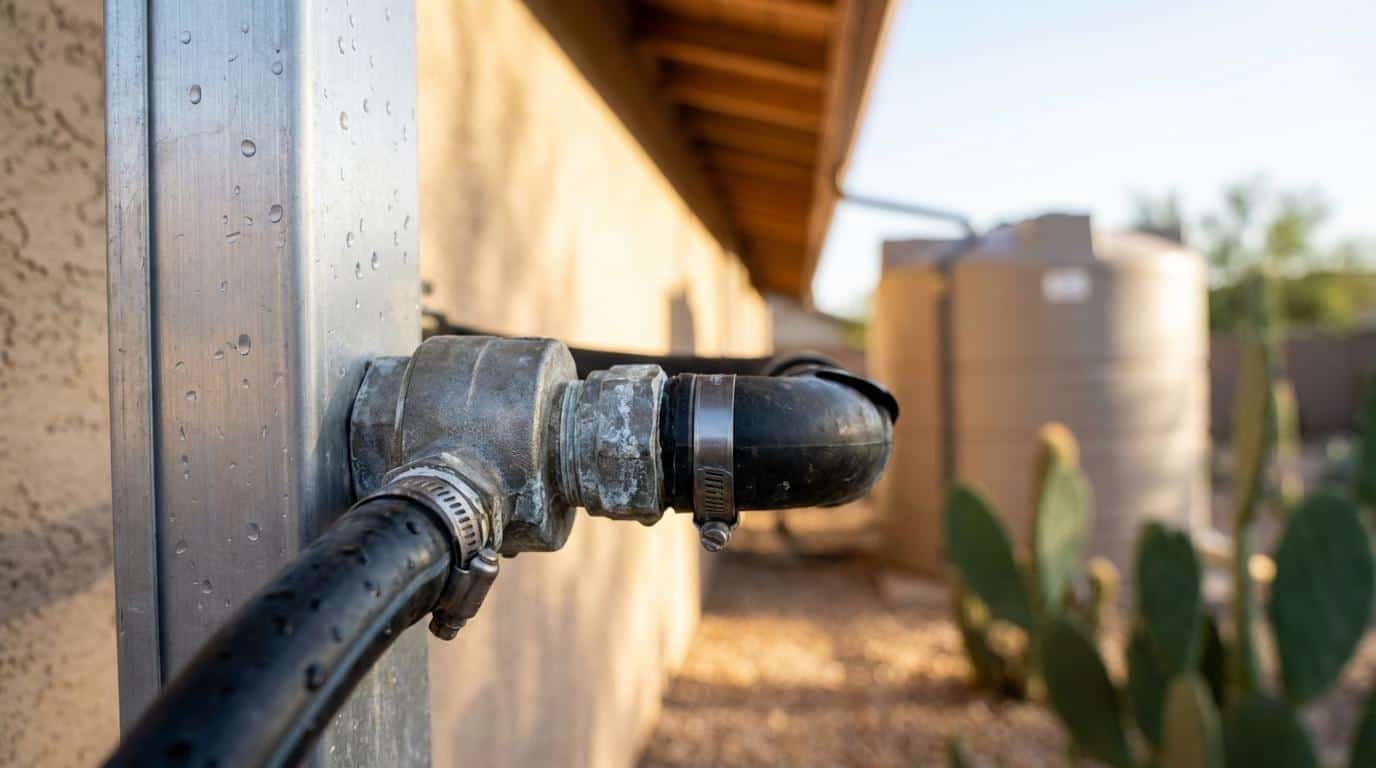
Old gutters rarely fail all at once. More often, they sag a little, drip at the corners, stain the stucco, and send roof runoff straight toward walkways, foundations, and planting beds. When that pattern starts repeating, replacement is often the wiser move.
For homes and commercial properties across Southern Arizona, a new gutter system should do more than look clean. It should be measured to the roof, pitched for reliable flow, and built to handle sharp summer downpours, long sun exposure, and the weight of water moving fast. Southern Arizona Rain Gutters replaces worn-out systems with custom-fabricated one-piece gutters in aluminum, steel, or copper, with optional fascia wraps, guards, downspout updates, and rainwater capture connections when the project calls for them.
When Repair Stops Making Sense
A repair can be the right call when the issue is small and isolated. A loose elbow, a short split, or a clogged outlet may not call for a full system replacement.
The picture changes when the gutter size is wrong for the roof, the old runs have too many leaking joints, or the metal has started to pull away from the fascia. In those cases, putting more money into patchwork work can delay the real fix without solving the drainage problem.
Common signs that point toward replacement include:
- Frequent leaks during storms
- Gutters separating from the fascia
- Rusted, cracked, or warped sections
- Overflow near entries and patios
- Water pooling near the foundation
- Repeated repairs that do not last
If fascia boards have also taken damage from moisture or sun, adding a protective wrap at the same time can make the whole roof edge cleaner, stronger, and easier to maintain.
Built for Southern Arizona Conditions
Rain may be infrequent here, but when it comes, it can come hard. A gutter system in Tucson and the surrounding area has to handle fast runoff without twisting, sagging, or dumping water where it should not go. That is why proper slope, strong support, and correct downspout placement matter just as much as the metal itself.
Projects are measured before fabrication so the gutter size and outlet locations match the roof area. Heavy-duty hangers are typically spaced about every two feet to support the load. On homes with flat or low-slope roof sections, custom boxes and scuppers can be used to move water neatly off the roofline and into downspouts or storage systems.
Material choice also affects appearance, lifespan, and budget. Here is a simple comparison:
| Material | Best Fit | Appearance | General Benefit |
|---|---|---|---|
| Aluminum | Most homes | Clean, color-matched finish options | Lightweight, rust-resistant, long service life |
| Steel | Larger runs, higher-demand areas | Strong, traditional look | Added strength for demanding drainage loads |
| Copper | Premium homes, architectural projects | Rich metal finish that develops patina | Very long life and standout curb appeal |
Profiles can be selected to suit both the roof and the style of the property. Options may include standard K-style gutters, half-round gutters, European-style box profiles, and larger-capacity commercial sizes.
What a Full Replacement Usually Includes
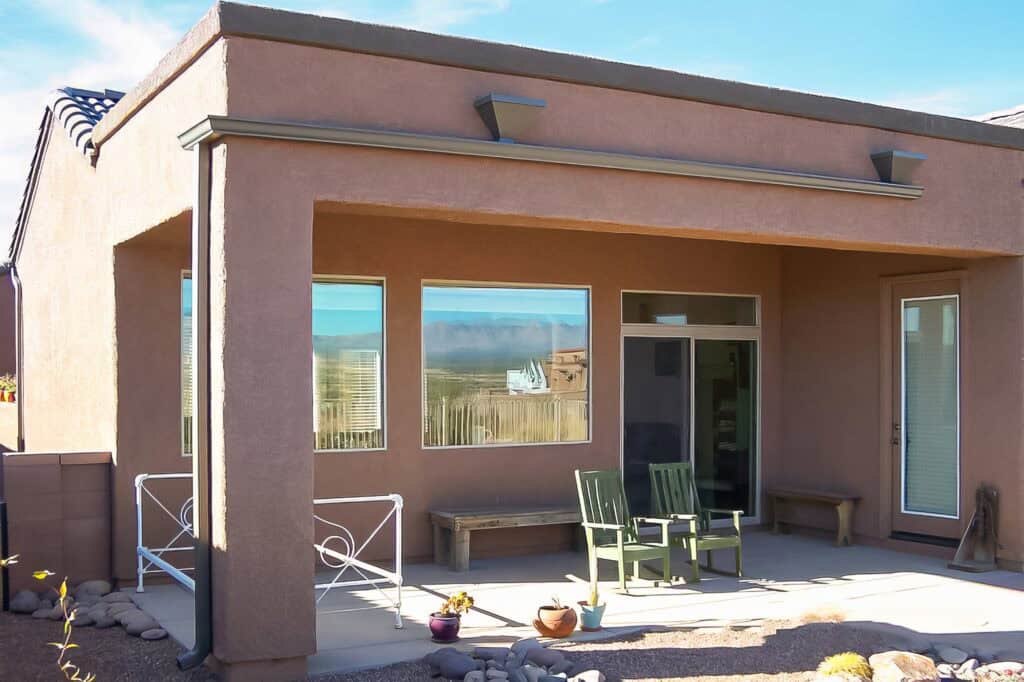
A well-run replacement project is more than hanging new metal under the roof edge. It starts with taking apart the failing system safely, checking the fascia condition, and planning drainage so the new setup performs better than the old one ever did.
That is why a full-service approach matters. The goal is not just to swap parts, but to correct the weak points that caused the original problems.
A typical scope of work may include:
- Old system removal: Existing gutters and downspouts are taken down and hauled away for disposal or recycling.
- On-site fabrication: Long one-piece gutter runs are formed to fit each roof edge closely.
- Support installation: Heavy-duty hangers are set at regular intervals for strength and stability.
- Drainage planning: Pitch, outlet size, and downspout placement are matched to roof runoff.
- Water-tight detailing: Corners, caps, and outlets are sealed with durable, flexible sealant.
- Optional upgrades: Fascia wraps, gutter guards, cleaning, minor repairs, and rainwater harvesting tie-ins can be added.
Free estimates are available, which gives property owners a chance to compare materials, colors, profiles, and project scope before work begins. For larger jobs, flexible payment options may also be available.
How the Project Moves Forward
The replacement process should feel organized from the first visit to the final walkthrough. Clear planning keeps the job efficient and helps avoid surprises once installation starts.
A typical project follows these steps:
- Site visit and measurement of roof edges, drainage needs, and fascia condition
- Selection of material, profile, color, and any added features
- Scheduling, material preparation, and coordination for access around the property
- Removal of old gutters, installation of new runs, and connection of downspouts
- Cleanup, final check, and review of the finished system with the owner
Many residential replacements can be completed in a day or two once work begins, depending on home size, roof complexity, and whether add-ons are included. Larger homes, multi-story structures, and projects that include water storage can take longer.
Cleanup is part of the value. Old metal, fasteners, and cutoffs should leave with the crew, not stay behind in landscaping or on walkways. A final review also gives the property owner a chance to confirm outlet placement, water direction, and overall appearance before the project is signed off.
More Than Basic Drainage
Replacing gutters can also be the right time to think bigger about water use. Instead of directing every gallon away from the property, some homes and buildings can route roof runoff into a harvesting system for landscape irrigation and outdoor use.
Southern Arizona Rain Gutters offers custom rainwater harvesting systems ranging from smaller residential tanks to large-capacity storage setups. Depending on the design, gutters can feed above-ground plastic tanks or steel culvert cisterns. Screened openings and sealed, UV-protected tanks help limit algae growth and mosquito issues.
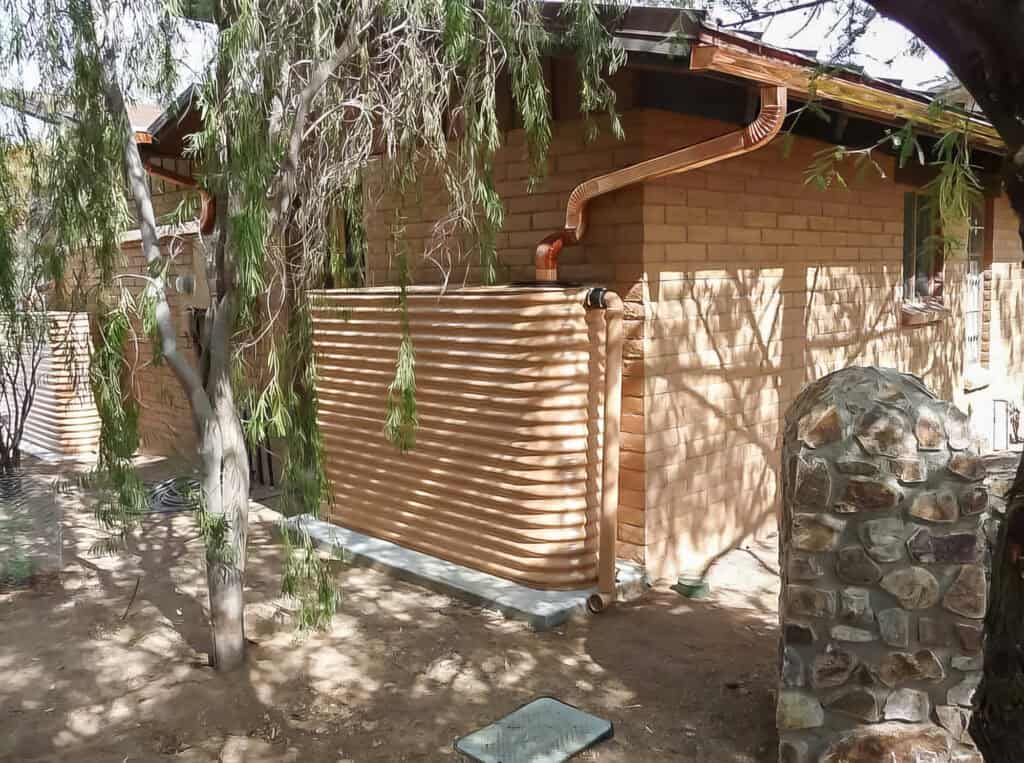
This is especially useful for owners who want their roof drainage system to do two jobs at once: protect the structure and save water.
Appearance Matters Too
Performance comes first, but looks still matter. New gutters can sharpen the roofline, clean up stained or patched edges, and tie in neatly with trim and exterior colors. For many properties, that visual upgrade is obvious from the street.
Color choices are available across a broad range of aluminum finishes, while copper offers a more architectural look that changes over time with patina. If the fascia has weathered or peeling paint, a color-matched wrap can give the entire edge of the roof a crisp, finished appearance while protecting the wood beneath.
That balance of function and appearance is one reason one-piece gutters remain a strong long-term investment. Fewer joints mean fewer common leak points, and custom fabrication gives the system a cleaner profile than many off-the-shelf sectional products.
Local Fit for Homes and Commercial Properties
Roof drainage in Southern Arizona is not one-size-fits-all. A tile-roof home in Oro Valley, a stucco house in Vail, and a commercial building in Tucson may all need very different layouts, capacities, and downspout strategies.
Local knowledge matters here. Roof pitch, fascia condition, courtyard layouts, scupper needs, and runoff patterns can vary widely from one property to the next. Service throughout the greater Tucson area, including Marana, Sahuarita, Green Valley, Nogales, Rio Rico, Sonoita, and Three Points, means projects can be planned with regional weather and building styles in mind.
If your current gutters leak, sag, overflow, or simply look worn out, a free quote is a practical first step. A properly fitted replacement turns short, intense storms into controlled drainage and gives the roof edge a cleaner, stronger finish at the same time.
Gutter Replacement Questions from Southern Arizona Homeowners
How do I know if my gutters need replacement or just cleaning?
A clogged gutter and a failing gutter can look similar from the ground — both overflow during rain. The simplest test is to clean the system thoroughly and then watch what happens during the next storm. If water still spills over the front edge, backs up at corners, or drips behind the gutter along the fascia, the problem is structural rather than debris-related. Sagging between hangers, visible rust holes, and separated seams are also signs that cleaning alone will not restore performance.
Will replacing my gutters damage my roof, fascia, or landscaping?
A professional crew takes precautions to avoid that. Old hangers and fasteners are removed carefully so the fascia is not splintered or cracked during takedown. If minor fascia damage is found underneath the old system, it can usually be repaired or wrapped as part of the project. Landscaping along the dripline is protected with drop cloths or temporary repositioning, and all old materials and debris should be cleared during cleanup. Most homeowners are surprised at how little disruption a well-run replacement actually creates.
Do new gutters come with a warranty?
Warranty terms depend on the installer and the materials used. For aluminum systems, manufacturer paint and material warranties often cover 20 years or more, while workmanship warranties from the installer typically range from one to five years. Copper carries an even longer expected lifespan and rarely needs a material warranty claim. The important thing is to ask for written warranty details before work begins — and confirm whether the warranty covers both materials and labor, since some only cover one.
Can I stay home during a gutter replacement?
Yes. All the work happens outside, so there is no need to vacate the house or clear interior rooms. The main things to prepare are keeping vehicles, patio furniture, and pets clear of the work zone along the roofline. There will be some noise from fabrication equipment and fastener installation, but most residential projects wrap up within a single day, so the disruption is short-lived.
Is it worth replacing gutters on a home I plan to sell?
Often yes, and it is one of the more cost-effective exterior improvements a seller can make. Stained stucco, sagging gutter lines, and visible water damage near the foundation are among the first things buyers and inspectors notice. New gutters with clean lines and matched color instantly improve curb appeal and remove a common inspection flag. In a market like Tucson where monsoon damage is well understood, buyers tend to view a new gutter system as a sign the home has been well maintained overall.
Should I replace my downspouts at the same time as my gutters?
In most cases, yes. Old downspouts may be undersized for a new gutter profile, corroded at the elbows, or routed to discharge points that no longer make sense for the property. Since the crew is already on site and the old system is coming down, replacing downspouts at the same time avoids a return trip and ensures the entire drainage path — from roof edge to discharge point — is matched and sealed as one system. Reusing old downspouts on a new gutter run often introduces the weakest link in an otherwise fresh installation.
Does homeowner's insurance cover gutter replacement?
It depends on the cause. If gutters were damaged by a specific covered event — a fallen tree limb, wind damage, or hail — many homeowner's policies will cover replacement minus the deductible. Normal wear, rust, age, and maintenance neglect are almost never covered. If you suspect storm damage contributed to your gutter failure, it is worth filing a claim or having an adjuster look before scheduling the work. Your installer can usually document the condition of the old system with photos to support the claim.
What happens to my old gutters after removal?
Aluminum and steel gutters are recyclable, and most professional crews haul the old material away as part of the job. Some installers take the scrap directly to a recycling facility rather than a landfill. Copper gutters have significant scrap value, so if you are replacing a copper system, it is worth confirming whether the removal price accounts for the salvage value of the old material or whether you want to keep it yourself.