ES


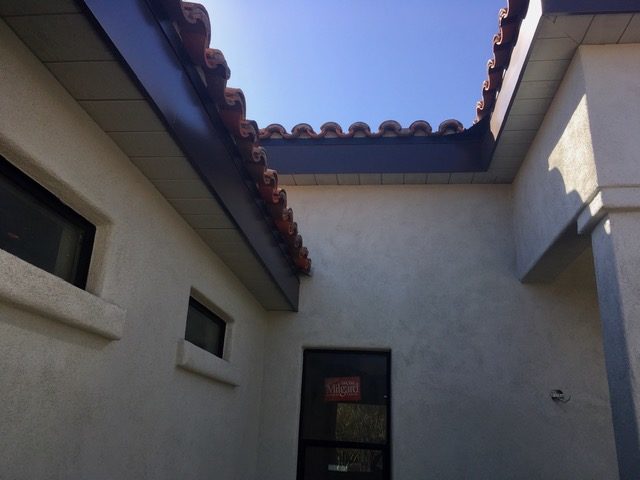
Fascia wrap maintenance is light work, because a properly installed aluminum fascia wrap is built to shed the two things that wear out wood fascia in Tucson: sun and water. The chemically bonded finish will not fade, rust, or peel, so the repaint cycle that painted wood needs simply goes away. That does not mean the wrap can be ignored once it is up. A few minutes of attention after the monsoon keeps it looking right and catches small problems before they reach the wood underneath. Our aluminum fascia wrap service installs the covering in long overlapping sections tucked under the drip edge, and that same detail is what you glance at during a yearly check.
In Southern Arizona the hard season is summer. Blowing dust coats every west-facing surface, monsoon storms drive rain sideways at the roof edge, and the sun bakes the south and west sides of a house for months. A wrap takes all of that far better than painted wood, but ladders, wind-blown branches, and the occasional loose gutter fastener can still leave marks worth finding early. October, right after the monsoon winds down, is the natural time to look.
Why Fascia Wrap Maintenance Is Different From Painted Wood
Fascia wrap maintenance replaces the repaint cycle with a quick visual check, because the aluminum covering never needs refinishing the way wood does. Painted wood fascia in Tucson tends to fail on a schedule: the paint chalks and peels, the exposed board soaks up monsoon moisture, and the wood cracks or warps. The wrap breaks that cycle. Its finish is chemically bonded, rated for a 50 to 100 year life, and will not fade, rust, or peel in the desert sun. If you want a reminder of the stakes, what the Arizona sun does to unwrapped wood fascia is exactly what the aluminum is there to stop. So upkeep is no longer about protecting a coat of paint. It is about confirming the wrap is still sealed, still fastened, and still free of damage, so it keeps protecting the board behind it.
What a Fascia Wrap Still Needs After Install
A fascia wrap still needs a yearly rinse, a post-storm look at its seams, and a check of anything fastened through it. None of this is difficult, and none of it is tied to a strict calendar you have to track. The whole routine is a slow walk around the house looking at the roof edge, ideally once the monsoon has passed. The table below is the short version, and each row is explained in the sections that follow.
| What to check | What a problem looks like | What to do |
|---|---|---|
| Surface dust and debris | A dull film of dust, or palo verde litter resting on the wrap | Rinse with a garden hose once or twice a year |
| Overlapping sections | A lifted lip, or a visible gap where two sections meet | Have the section reset so it sits tight again |
| Tuck under the drip edge | The top edge no longer sits cleanly under the roof edge | Have the tuck re-secured before the next storm |
| Gutter hanger fasteners | A fastener standing proud, a streak below a hanger, or a sagging gutter | Reset the hanger early, before water reaches the wood |
| Sealant joints | A bead at a corner or end that has shrunk, cracked, or lifted | Reseal with a UV-stable, flexible sealant rated for high heat |
| Dents and scuffs | A ladder dent, or a crease from a branch rubbing in the wind | Leave shallow marks, address sharp creases, keep ladders off the fascia |
Rinsing Desert Dust Off the Fascia Wrap
Rinsing is the only cleaning most homes ever need, and a standard garden hose does the job. Dust and palo verde debris settle on the flat and angled faces of the wrap, especially on the sides that catch the afternoon wind. A low-pressure rinse once or twice a year clears nearly all of it. Skip the pressure washer and harsh solvents, which are not necessary and can work against the finish over time. Plain water, or water with a little mild dish soap on a soft cloth for a stubborn spot, keeps the surface bright without any risk. This part is cosmetic rather than structural, but a clean wrap also makes the rest of the walk-around easier, since a dent or an open seam is far simpler to spot on a surface that is not coated in grime.
Checking the Wrap After Monsoon Storms
After monsoon season, confirm that the long overlapping sections still sit tight and that the top edge is still tucked under the drip edge. Those two details are what keep wind-driven rain out of the wood. Monsoon storms push water sideways, so a section that has lifted at an overlap or a tuck that has pulled away from the roof edge is where trouble can begin. Run your eye along each run of fascia from the ground or a stable ladder and look for a lifted lip, a gap at a seam, or any spot where the aluminum no longer meets the roof edge cleanly. Catching one of these early is the whole point of the yearly check, because the wrap can only protect the board while it stays sealed along its full length.
Timing matters too. National Weather Service normals for Tucson show September rainfall well above October and November, which makes mid fall a practical inspection window before winter storms arrive. The chart below shows how the normal monthly rainfall tapers off once the monsoon ends.
Checking Where the Gutter Line Fastens Through the Wrap
Check the points where gutter hangers fasten through the fascia wrap, since those are the only places anything penetrates the covering. A hanger that has worked loose can let water track behind the aluminum, so look for a fastener sitting proud, a streak running down from a hanger, or a gutter section that has started to sag. This check pairs naturally with your gutter cleaning, which falls on a similar post-monsoon rhythm. Our guide to how often to clean gutters in Arizona lands on the same schedule, so handling both in one trip up the ladder saves time. A hanger that needs tightening is a quick fix when it is caught early, and a much larger one once water has reached the board.
Dents, Scuffs, and Sealant Joints
Dents and dried sealant joints are the two defects most worth catching, because both can keep the aluminum from doing its one job. Dents usually come from a ladder leaned against the fascia or a branch rubbing in the wind. A shallow dent is purely cosmetic, but a sharp crease can crack the finish, so lean ladders against the wall or a stabilizer rather than the roof edge, and trim back branches that reach the fascia. At the corners and ends, the wrap is sealed, and that bead should be a UV-stable, flexible sealant rated for high heat. Over many years of desert sun, any sealant can eventually dry out. If you see a joint that has shrunk, cracked, or lifted, have it resealed rather than leaving a path for water to slip behind the wrap.
Painting a Fascia Wrap Later
A fascia wrap can be painted later, because the aluminum is paintable, so a future color change is an option rather than a reason to replace anything. Most owners never need to, since the factory finish holds its color for decades in the Tucson climate. But if the trim scheme changes or a repaint of the whole house calls for it, the wrap accepts exterior paint without special treatment. For the finish choices available up front, fascia wrap color options in Tucson covers the range in more detail. Painting is the exception, not part of routine care, and it does not reset the wrap's lifespan. It is purely about appearance.
Key Takeaways
- Rinse the wrap with a garden hose once or twice a year, and skip pressure washers and solvents.
- After the monsoon, confirm the overlapping sections sit tight and the top edge stays tucked under the drip edge.
- Inspect every point where a gutter hanger fastens through the wrap for a loose fastener or a streak.
- Treat dents from ladders or branches early, and keep ladders off the fascia itself.
- Have any dried, cracked, or lifted sealant joint resealed with a flexible, heat-rated sealant.
- October, right after monsoon season, is the practical window for the yearly check.
Fascia Wrap Care Questions from Tucson Homeowners
How do I clean an aluminum fascia wrap?
Rinse it with a standard garden hose. Plain water removes nearly all desert dust, and a soft cloth with a little mild soap handles the rare stubborn spot. High pressure and strong cleaners are not needed and can work against the coating.
When should I inspect my fascia wrap each year?
Early fall, once the monsoon has passed, is the most practical time. Storm season is when wind-driven rain tests the seams, so a look afterward catches anything that has moved. Pairing it with gutter cleaning keeps it to one trip.
Is a loose gutter hanger a problem for the fascia wrap?
It can be, because the hanger passes through the covering. A fastener that loosens may let water travel behind the wrap, so reset it promptly. Catching it early keeps the repair small and keeps the board behind the wrap dry.
Can I fix a dent in a fascia wrap myself?
A very shallow dent is cosmetic and is usually left alone. A sharp crease that has cracked the finish should be assessed by an installer, since the value of the wrap is an unbroken surface. Keeping ladders off the fascia prevents most dents to begin with.
Does the sealant on a fascia wrap ever need attention?
Over many years of desert heat, it can. The sealed joints at corners and ends may dry out or lift with age. If you notice a bead that has shrunk or pulled away, have it resealed with a flexible sealant rated for high heat.
Do I really need to maintain a fascia wrap if it never fades?
Only a little. The finish needing no repaint is the main benefit, but the wrap is still a physical part of the roof edge. A yearly rinse plus a quick look at seams, fasteners, and dents is all it asks.
Will a fascia wrap keep protecting the wood without any upkeep?
Largely yes, as long as it stays sealed and fastened. The light checks matter because they confirm those two things are still true. An intact wrap keeps monsoon moisture off the board for decades.