ES
ES 
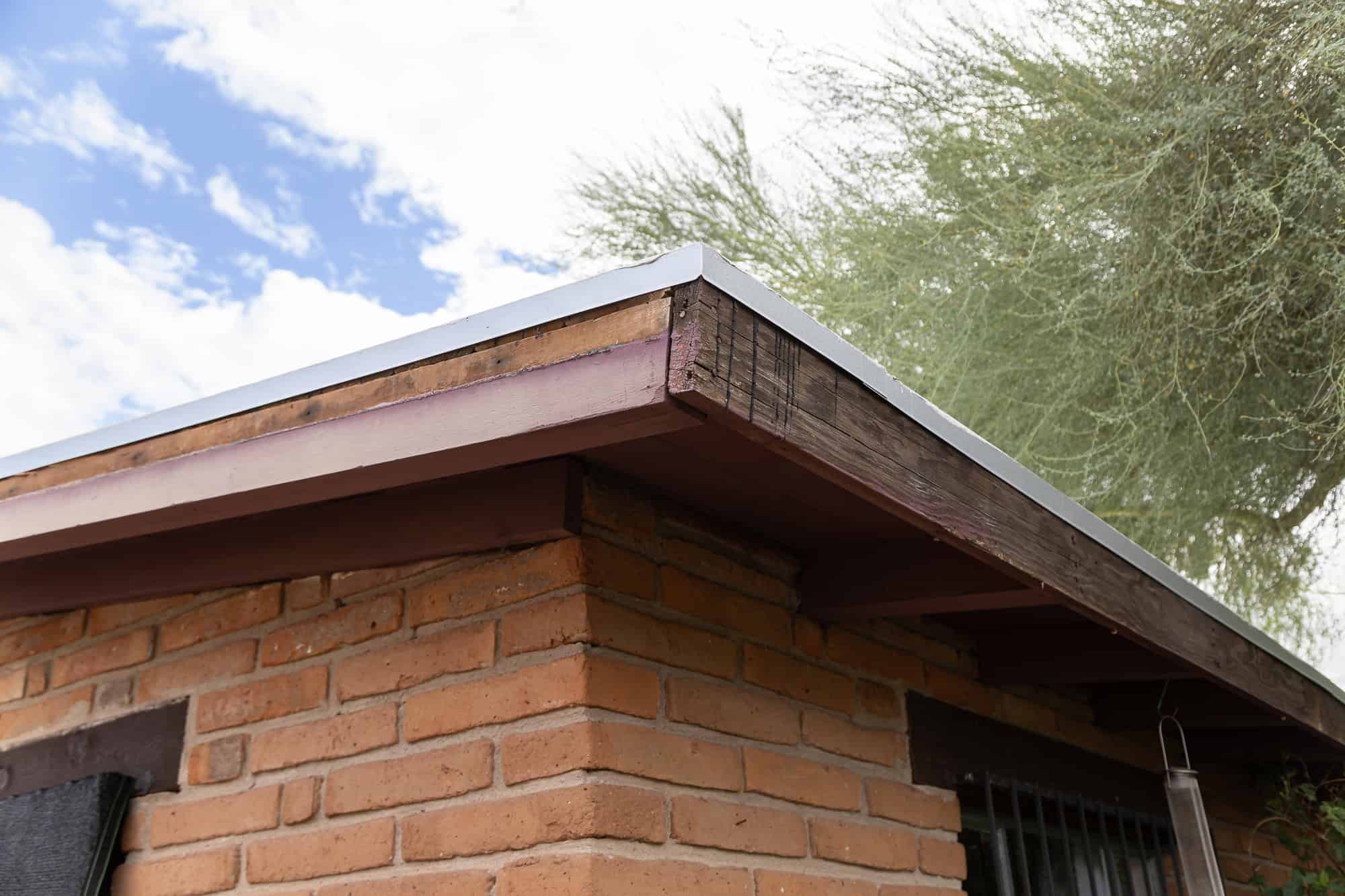
Fascia wrap vs painting is the decision most Tucson homeowners reach the second or third time their fascia boards start looking tired. Painting is familiar and it is what almost everyone tries first. A fascia wrap is a custom-fit aluminum covering installed over the existing wood fascia, and it changes the job from something you repeat into something you finish.
That difference matters more here than it would in a mild climate. Fascia runs along the roofline on the most exposed edge of the building. It takes direct sun for most of the year on west and south elevations, then takes driving moisture during monsoon season. That combination is hard on paint and harder on the wood underneath. So the real question is not which one looks better on day one. It is how many more times you want to do this.
What a Fascia Wrap Actually Is
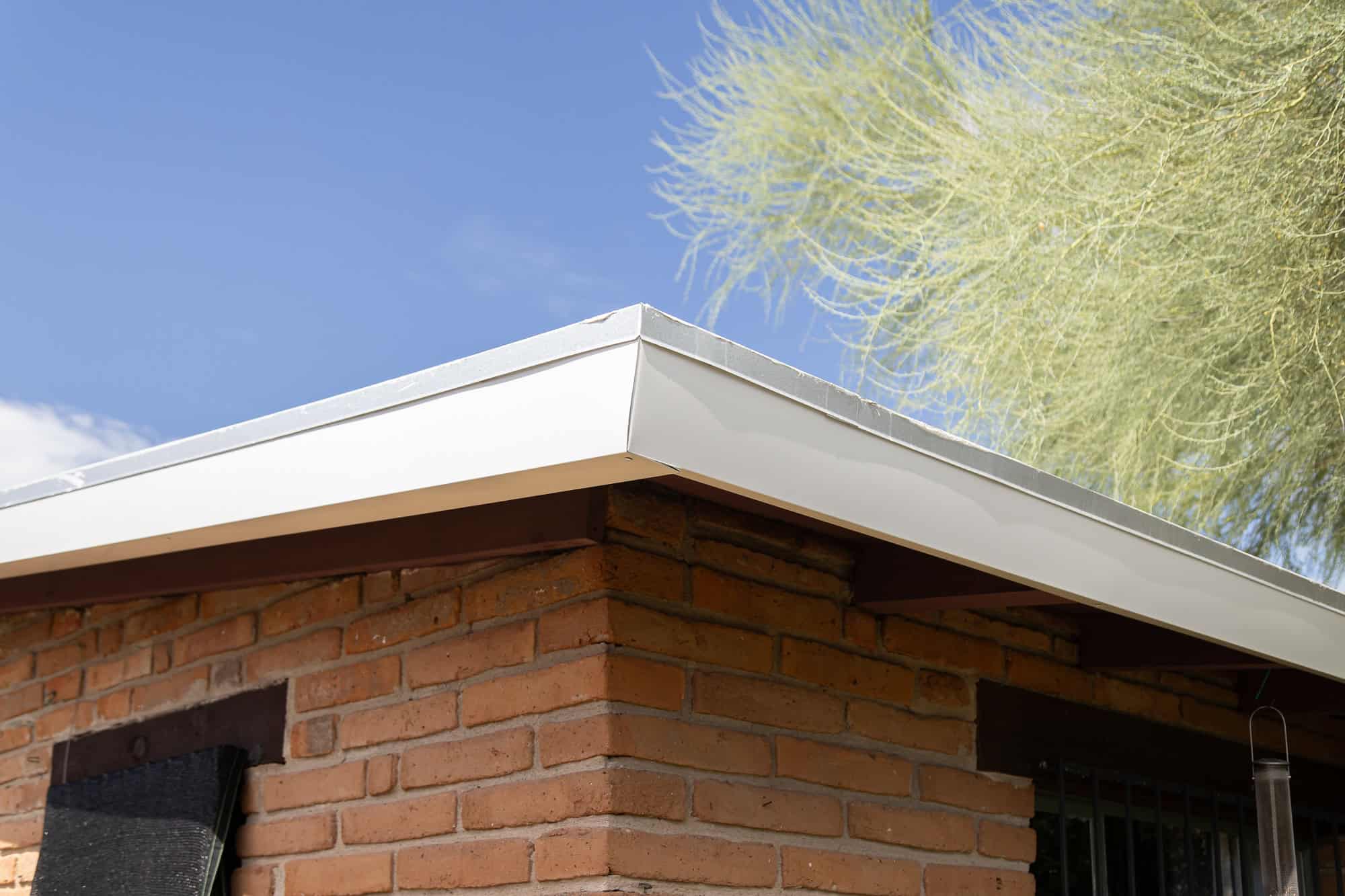
A fascia wrap is a custom-fit aluminum covering installed over your existing wood fascia. It is not a paint, a coating, or a sealer. It is a physical aluminum skin formed to the profile of your boards and fastened in long overlapping sections that tuck under the drip edge, so water is sealed out instead of finding a path behind the material.
The finish is chemically bonded to the aluminum rather than applied on top of it as a separate layer. That finish carries a 50 to 100 year lifespan, it is paintable if you want a different color later, and it will not fade, rust, or peel. Those three failure modes are precisely what sends people back up a ladder with a paint can every few years, so eliminating them is the entire point of the product.
The wood does not go anywhere. Sound fascia board stays in place and keeps doing its structural job, including carrying the gutter line. The aluminum simply takes over facing the weather.
Why Painted Wood Fascia Fails Faster in the Desert
Painted wood fascia fails faster here because sunlight degrades the wood surface underneath the paint film, not just the paint on top of it. Once that thin surface layer breaks down, the coating has nothing solid to hold onto, and the next failure arrives sooner than the last one did.
US Forest Service research on the weathering of wood describes the mechanism directly. Weathering degrades the wood surface, and a degraded surface will not form a good paint bond. When paint eventually peels, it lifts the damaged layer of wood away with it. Each repaint therefore begins on a slightly worse surface than the one before it, which is why repaint intervals tend to shorten across the life of a board instead of holding steady.
Local conditions accelerate every step of that. East and west facing rooflines take low angle sun straight onto the fascia face for hours at a time. Summer surface temperatures on a dark painted board climb well above air temperature. Then monsoon rain drives moisture into any crack or lifted edge the heat opened up, and mold gets a foothold in the damp wood behind the film.
Those pressures produce a recognizable list of symptoms: peeling or fading paint, cracking or warping wood, east or west sun exposure, and monsoon moisture or mold. Any of them, or simply wanting a maintenance-free solution, is a sign a wrap is worth pricing.
Fascia Wrap vs Painting Side by Side
The two options differ on what they actually protect. Paint lays a film over a surface the sun is steadily breaking down. A wrap covers the wood in aluminum, so the weather never reaches the board at all. The table below compares the specifics homeowners ask about.
| Factor | Painting wood fascia | Aluminum fascia wrap |
|---|---|---|
| What it is | A coating applied to the existing wood surface | A custom-fit aluminum covering installed over the existing wood |
| Finish life | Varies with exposure, prep, and board condition, with repeat cycles expected | Chemically bonded finish with a 50 to 100 year lifespan |
| Fading, rust, peeling | Paint can fade, crack, and peel as the wood surface weathers | Will not fade, rust, or peel |
| Color change later | Yes, by repainting | Yes, the wrap is paintable |
| Wood underneath | Stays exposed to sun and moisture between coats | Covered by long overlapping sections tucked under the drip edge |
| Typical trigger | Sound wood that needs a cosmetic refresh | Peeling or fading paint, cracking or warping wood, sun exposure, monsoon moisture or mold |
How Long Each Option Is Rated to Last
The fascia wrap finish is rated for 50 to 100 years, which puts it in a different category from any repaint schedule. For comparison, aluminum rain gutters are built to last 30 or more years, and most homeowners already consider that a long-term component of the house rather than a maintenance item.
Painted wood is deliberately left off the chart below. Repaint intervals depend so heavily on exposure, surface preparation, and the starting condition of the board that publishing a single number would be misleading. What the weathering research supports is the direction, not a figure: the interval shortens as the wood surface degrades.
How a Fascia Wrap Goes On
Aluminum is formed to match the profile of your fascia and installed in long overlapping sections that tuck under the drip edge. The overlap and the tuck are what make it a water management detail rather than decorative trim, because they give runoff no seam to work its way into and no exposed top edge to sit against.
Before any aluminum goes up, the existing boards get assessed. Sound wood can be wrapped as it stands. Boards that are cracked, warped, or soft need attention first, because the fascia has to be solid enough to hold fasteners and, on most homes, to carry the gutter line hanging off it. Covering compromised wood without addressing it simply hides a problem behind a very long-lived finish.
If you want the full walkthrough of the process, our fascia wrap installation breakdown covers what happens on site from assessment through the finished roofline.
When Painting Is Still the Right Call
Painting still makes sense when the wood is genuinely sound and the goal is cosmetic. If your fascia is in good condition, sits on a shaded or north facing elevation, and you simply want a different color to match a repaint of the house, a coat of paint is a reasonable and proportionate answer.
It is also the right call when the fascia is new. Freshly installed boards have not weathered yet, so paint bonds far better than it does to a surface that has sat in the sun for years. The weathering research is specific here: even a week or two of bare exposure measurably reduces how well a coating adheres.
Where fascia wrap vs painting stops being a close call is the third or fourth cycle on a sun beaten elevation. By then you are resurfacing something that keeps degrading underneath, and the interval between visits keeps shrinking.
Why Fascia and Gutters Get Decided Together
Gutters hang on the fascia, so the two decisions are physically linked. If your gutters are being replaced or installed anyway, wrapping the fascia first is the efficient order of operations, because it avoids taking a gutter line down and rehanging it later purely to get at the boards behind it.
It works the other way too. Fascia damage is frequently discovered during a gutter project, since that is when anyone gets a close look at the boards. Seamless rain gutters are formed on site in one continuous piece and, during a storm, a loaded gutter can hold the weight of a full grown person. All of that weight transfers into the fascia, which is a good reason to know the boards are sound before hanging anything on them.
Across Tucson, Oro Valley, Marana, and Sahuarita the sequence is the same: the gutters prompt the inspection, and the inspection surfaces the fascia question. Handling both in one visit is almost always less disruptive than splitting them into two projects.
Key Takeaways
- Paint and a wrap solve different problems. Paint refreshes a surface the weather still reaches, while aluminum replaces the surface that faces the weather.
- Peeling paint lifts degraded wood away with it, so each repaint starts on a worse surface than the last and intervals tend to shorten.
- The wrap is installed in long overlapping sections tucked under the drip edge, which seals water out rather than channeling it behind the material.
- Sound boards can be wrapped as they stand. Cracked, warped, or soft boards are evaluated and addressed before anything is installed over them.
- Gutters hang on the fascia, so wrapping before or during a gutter project avoids paying to hang the same line twice.
- North facing and newly installed fascia in good condition are the cases where painting is still the proportionate choice.
Fascia Questions from Tucson Homeowners
Is a fascia wrap better than painting wood fascia?
For most sun exposed rooflines in Tucson, yes. Painting is a maintenance cycle that restarts as the wood surface weathers, while an aluminum wrap carries a chemically bonded finish rated for 50 to 100 years that will not fade, rust, or peel. Painting remains a fair choice on sound wood when you only want a color change.
Can you wrap fascia that already has peeling paint?
Usually yes, provided the wood underneath is still sound. Peeling or fading paint is one of the common signals that a wrap is worth considering. Boards that are cracked, warped, or soft get assessed first, because the fascia has to be solid enough to hold fasteners.
Does a fascia wrap need to be painted?
No. The wrap arrives with a chemically bonded finish and needs no paint to perform. It is paintable if you decide to change colors later, which helps when you repaint the house or your community updates its palette.
Will an aluminum fascia wrap fade in the Arizona sun?
No. The finish is chemically bonded to the aluminum rather than applied as a separate surface coat, and it is rated not to fade, rust, or peel. That is the main reason it holds up on west and south facing rooflines where painted wood tends to give out first.
How often does painted wood fascia need repainting in Tucson?
There is no single honest number, because it depends on exposure, surface preparation, and the condition of the board. What weathering research does establish is the direction of travel: once the wood surface has degraded, coatings bond less well, so intervals tend to shorten rather than stay constant. A site review is the only reliable way to judge your own boards.
Does wrapping the fascia affect my rain gutters?
It can, because gutters hang directly on the fascia. If the gutters are coming down or going up anyway, wrapping at the same time is the efficient sequence. Combining the work in one visit avoids removing and rehanging the same gutter line twice.
Do I need HOA approval for a fascia wrap color?
Possibly, and it varies by community. Color rules differ between neighborhoods in Tucson, Oro Valley, Marana, and Sahuarita, so check your own association guidelines before selecting a finish. Because the wrap is paintable, you always have a way to match an approved palette later.