EN

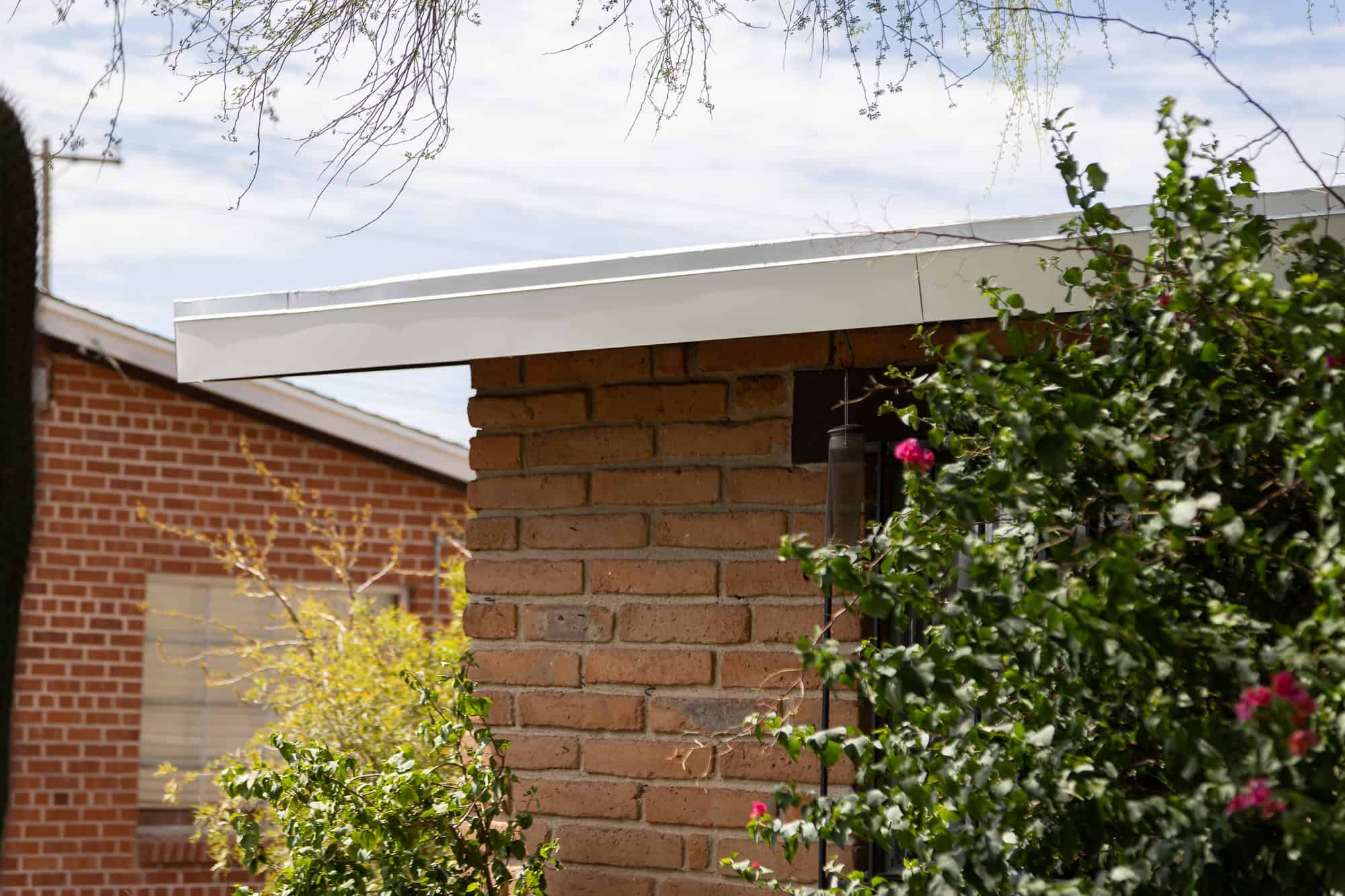
Fascia wrap historic district rules in Tucson come down to one fact: if your home sits inside one of the City's Historic Preservation Zones, exterior changes go through City design review, even small jobs that do not need a building permit. A fascia wrap changes the look of the roof edge, so the sensible move is to check with the City before anyone puts the work on a calendar.
Canaletas del Sur de Arizona instala aluminum fascia wraps for homes across the Tucson area, and owners of older houses ask how historic rules fit in. The honest answer is that the City decides what is allowed in these zones, not a contractor. This guide does not predict how any review will turn out. It explains why owners of older homes consider a wrap, how the product relates to keeping an existing look, what to have ready when you talk to the City, and the order the steps should go in.
Does a Fascia Wrap Need City Review in a Tucson Historic Zone?
It very possibly does, and only the City can tell you for sure. According to the City of Tucson, its Historic Preservation Zones apply development standards and design guidelines to exterior alterations on both historic and non-historic buildings, including work that does not require a building permit. A fascia wrap is an exterior change at the roof edge, so it belongs on the list of things to raise with the City before you book it.
Many owners assume that no permit means no review. Inside these zones, that assumption can cause trouble, because the City's guidelines reach past permit work. The City also explains that plans in these zones are reviewed against technical standards and specific design guidelines, with input that can include neighborhood advisory boards, the Tucson-Pima County Historical Commission and the Director of Planning and Development Services.
Which of those steps applies to a fascia wrap on your house is not something a contractor can settle. That is the core of every fascia wrap historic district question in Tucson. Ask the City directly, describe the work accurately, and let its answer set the plan.
Which Tucson Neighborhoods Have Historic Review
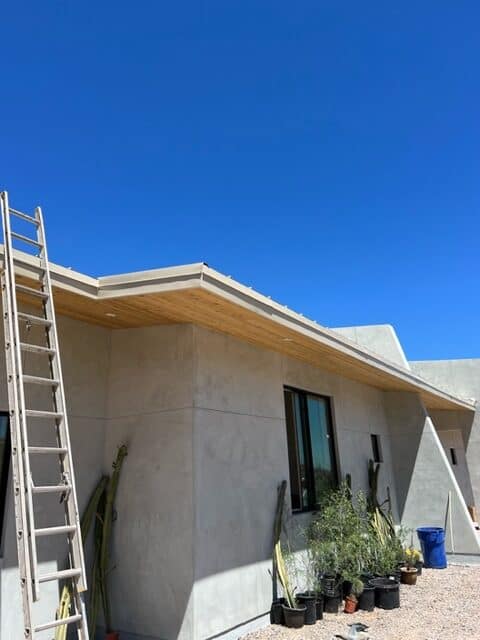
The City of Tucson says it has six designated Historic Preservation Zones, and its historic designations page names five of them: Fort Lowell, West University, Barrio Historico (Barrio Viejo), Armory Park and El Presidio. The page does not name the sixth, so if you are unsure whether your street is inside a zone, ask the City rather than relying on a neighborhood name.
Zone boundaries do not always follow the way people talk about a neighborhood. A home can sit close to one of these areas and fall outside the overlay, or sit inside it on a street that does not feel especially historic. The address is what counts, and the City is the source for it.
Source: City of Tucson historic designations and design review page, checked November 2026. The page counts six designated zones and names five.
Other historic designations may work differently. The City notes that most of its preservation zones are also National Register historic districts, and it describes separate tools such as the Rio Nuevo and Downtown Zone and individually designated City Historic Landmarks. A National Register listing on its own may not follow the same process as a City zone. If your property carries any historic label, ask the City which rules apply instead of assuming either way.
Why Do Owners of Older Tucson Homes Consider a Fascia Wrap?
Most owners look at a wrap because the wood fascia on an older home has started to show its age. Peeling or fading paint, cracking or warping boards, and moisture or mold after monsoon storms are the usual signs. Walls with east or west sun exposure take the hardest beating, so those runs often wear first.
A fascia wrap is a custom-fit aluminum covering installed over the existing wood fascia. It goes on in long overlapping sections, tucked under the drip edge to seal out water. The finish is chemically bonded, carries a 50 to 100 year lifespan and will not fade, rust or peel. For an older house, the appeal is a roof edge that no longer needs regular repainting, with the original boards left in place underneath.
Condition comes before anything else. Minor damage can usually be wrapped. Sections that are too far gone get a repair recommendation first, because aluminum over failing wood only hides the problem. If you are still deciding between the two main options, our comparison of a fascia wrap and repainting covers that choice, so this post can stay focused on the City side.
Can a Paintable Aluminum Wrap Match an Existing Look?
It can help, but whether it matches closely enough for a historic zone is the City's call. The finish is paintable, so the color can follow the existing trim, and the wrap is custom-fit to the boards it covers. What it cannot do is turn aluminum into wood, and design guidelines in historic zones may weigh material as well as color.
That is why it pays to describe the product accurately when you talk to the City. Say it is aluminum, say it covers the existing wood fascia rather than replacing it, and say how it will be finished. Reviewers can then judge it on what it actually is, and you avoid surprises later.
Color is only one part of the picture. If your street also has a homeowners association, our guide to Cómo elegir los colores de los revestimientos en Tucson covers that side, which is separate from City historic review. And if new gutters are part of the same roofline project, the gutter profile can matter to a period look as much as the fascia does. Our half-round vs K-style gutter comparison explains how those two shapes differ, which is useful context before you describe the full project to the City.
What Should You Bring to the City Conversation?
Bring clear photos, the color you plan to use and a plain description of the material. Those three things let City staff see exactly what will change at the roof edge without having to guess.
- Photos of every fascia run you plan to cover, plus wider shots that show each full elevation from the street.
- The color you intend to use, with a sample or color reference, and photos of the current trim color for comparison.
- A material description: a custom-fit aluminum covering installed over the existing wood fascia, in long overlapping sections tucked under the drip edge, with a paintable, chemically bonded finish.
- Notes on condition, including any boards that may need repair before a wrap.
- Your property address, so the City can confirm whether a zone or another designation applies.
Ask the City what format it wants, too. Its page points to the Tucson Development Center online system for applications, links a historic review information guide and lists 311 as a contact route, but the right path for your specific project is for the City to tell you. If you request a quote first, ask for the material description in writing so the wording you give the City matches what would actually be installed.
What Order Should the Steps Go In?
City first, then the work. For any fascia wrap historic district project, confirm whether your home is in a Historic Preservation Zone, talk to the City, gather what it asks for, receive its direction, and only then put the installation on the calendar.
| Step | Qué hacer | Who decides |
|---|---|---|
| 1. Check the property | Ask the City whether the address is inside a Historic Preservation Zone or carries another historic designation | City of Tucson |
| 2. Contact the City | Describe the planned fascia wrap and ask what review, if any, applies | City of Tucson |
| 3. Gather details | Photos, planned color, material description and condition notes | Property owner |
| 4. Receive the City's direction | Follow whatever the City requires before work starts | City of Tucson |
| 5. Schedule the work | Book the installation once the City's direction is clear | Property owner and contractor |
Reversing the order is where owners can get into trouble. A wrap installed before the City weighs in may have to be changed if the City later asks for something different, and undoing finished work costs more time than waiting a little at the start.
A quote can still be useful early. It puts the material and scope in writing, which gives you something concrete to show the City. Just treat the install date as open until the City has given its direction.
Puntos clave
- The City says preservation zone guidelines apply to exterior alterations even when no building permit is needed.
- Five zones are named on the City page, which counts six designated, so confirm your exact address with the City.
- A National Register listing or other historic label may follow different rules than a City zone.
- Describe the wrap to the City as aluminum over the existing wood fascia, not as paint or replacement trim.
- Boards that are badly damaged get a repair recommendation before any wrap goes on.