EN

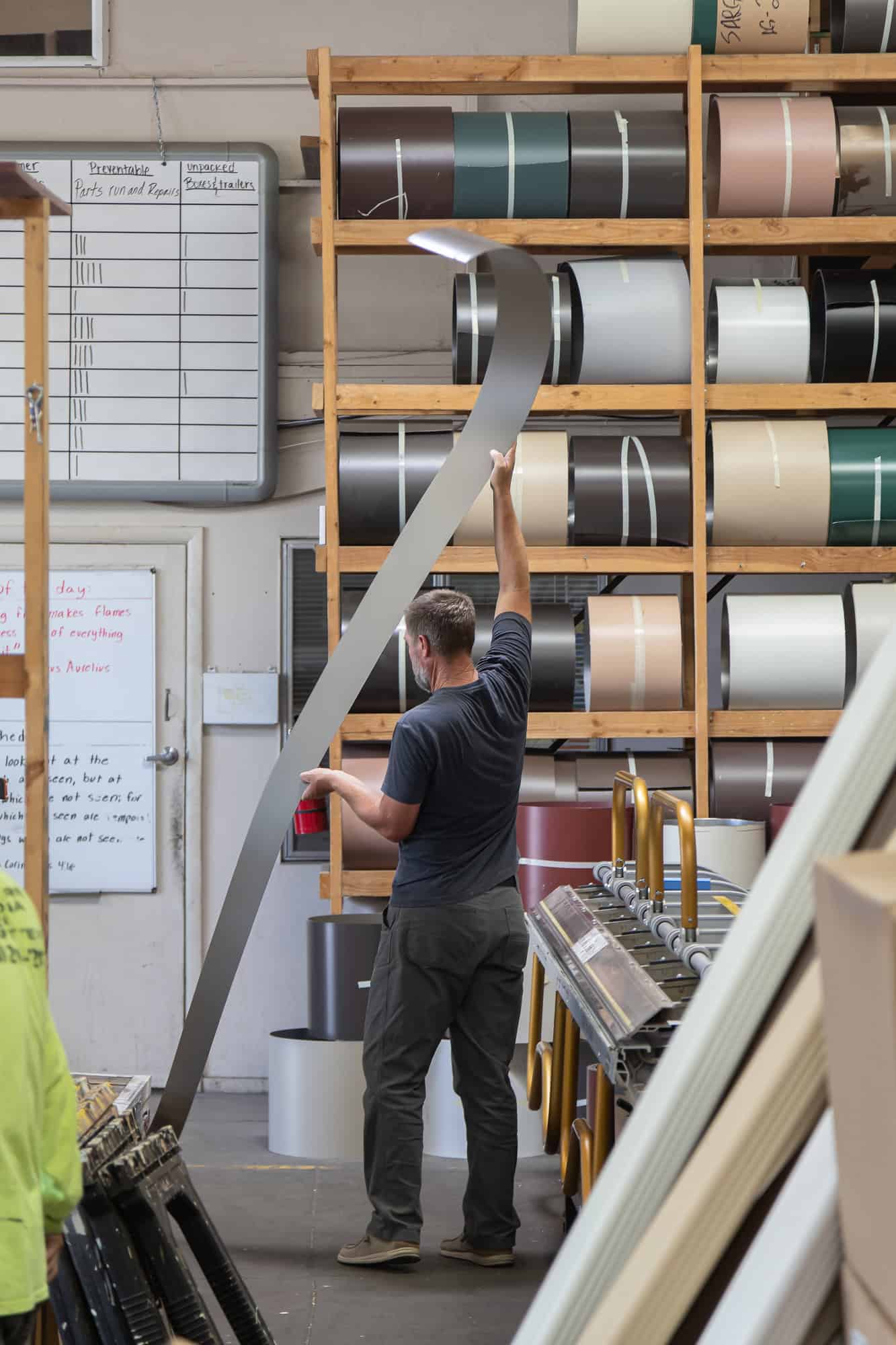
A fascia wrap roof replacement in Tucson works best when the two jobs are planned together, even though different trades carry them out. An aluminum fascia wrap is a custom-fit aluminum covering installed over your existing wood fascia, and it tucks under the roof's drip edge to seal out water. When a roof is replaced, that edge is rebuilt, so the order of the work decides whether the finished wrap sheds water cleanly or traps it behind the metal.
Southern Arizona Rain Gutters installs fascia wraps, gutters, and rainwater harvesting, not roofing, so a reroof always involves a separate roofing contractor. This guide covers which trade usually goes first, why the drip edge sets the sequence, what happens to an existing wrap and your gutters during a roof replacement, and the questions worth asking before anyone starts. If you want your roofline reviewed, start with our fascia wrap service in Tucson.
Which Trade Goes First, the Roofer or the Fascia Installer
In most cases the roof goes on first, then the fascia wrap. The general practice across the trades is to set the new roof and its edge metal before the wrap is fitted, because the wrap has to lap under that finished edge. A wrap installed first can leave the roofing crew working over or around it, which risks both the finish and the watertight seal.
On a Tucson home getting both a new roof and a wrap, treat them as two scheduled jobs that share one edge. The roofer handles the deck, underlayment, and drip edge. The wrap installer then covers the wood fascia and tucks the aluminum under that edge. If the home already has gutters, they usually come down for the roof work and go back up after the wrap, so everything lines up in the right order.
Why the Drip Edge Decides the Order
The drip edge decides the order because a fascia wrap is built to tuck under it, not over it. Water runs down the roof, past the drip edge, and should fall clear of the wood behind it. If the wrap is already in place when a new drip edge goes on, that new edge can end up sitting over the wrap in a way that lets water slip behind the metal. Setting the roof edge first, then wrapping under it, keeps that path sealed.
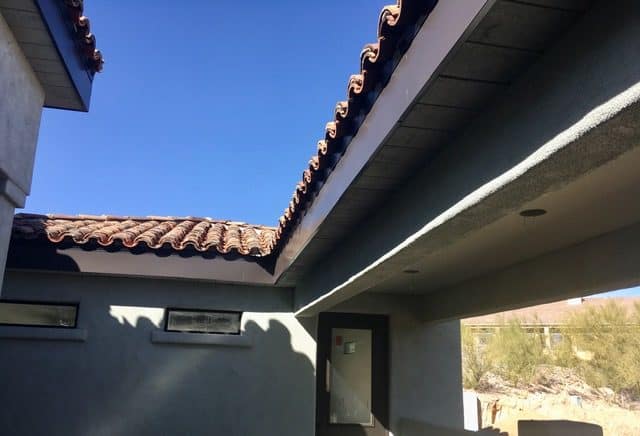
This is also why both trades need to agree on the edge before either one commits. The drip edge and the gutter apron are a topic of their own, and we cover the anatomy in our guide to gutter aprons on Tucson homes. For sequencing, the point is simpler: the metal that laps underneath has to go on after the metal it laps under.
How to Sequence a Fascia Wrap Roof Replacement
A fascia wrap roof replacement can be sequenced three ways, and the cleanest is almost always roof first, then wrap. The table below shows how each order affects the drip edge, the gutters, and any existing wrap. These are general outcomes rather than a fixed rule, so confirm the plan with both contractors for your specific home.
| Sequence | Drip edge | Canales | Existing wrap |
|---|---|---|---|
| Roof replaced first, then wrap | New drip edge is set, then the wrap laps under it for the cleanest seal | Taken down for the roof, rehung on the finished fascia | New wrap is fitted last, so it meets the new edge correctly |
| Fascia wrapped first, then roof | Risk that the new drip edge sits over the wrap and lets water behind it | Still has to come down for the roof, rehung after | Can be disturbed when the new edge goes on |
| Both in one coordinated window | Both trades agree the edge first, and the order still runs roof edge, then wrap | Down for the roof, back up at the end | Planned around the new roof edge from the start |
What Happens to Your Gutters During a Roof Replacement
Your gutters usually come down, or get protected, so the roofer can reach the roof edge. Seamless aluminum gutters are formed on site in one continuous piece, which means a run that gets bent during the roof work can be remade rather than patched. Aluminum gutters are built to last 30 years or more in the Tucson climate, so it is worth having them rehung correctly instead of forced back into place.
Fascia is what carries the gutters, so the wood behind them has to be sound before anything is rehung. We cover how that attachment works in our post on cómo la fascia sostiene las canaletas. During a reroof the practical sequence is roof edge, then wrap, then gutters back onto the finished fascia, so the hangers bite into a solid, protected surface.
What Happens to an Existing Fascia Wrap When the Roof Comes Off
An existing aluminum fascia wrap can often stay in place during a roof replacement, as long as the roofing crew works carefully at the roof edge. The wrap finish is chemically bonded, paintable, and rated to last 50 to 100 years without fading, rusting, or peeling, so there is usually no reason to strip a sound wrap just because the roof is being redone. The care goes into protecting the top edge where the wrap meets the new drip edge.
If a section of wrap is dented or disturbed during the work, it can be refit afterward. Because the finish lasts so much longer than a typical roof, protecting the wrap during a reroof is the sensible move. The chart below compares the rated service life of the wrap finish with aluminum gutters, so you can see why the wrap is usually the longest-lived metal on the house.
When the Wood Fascia Needs Repair First
The wood fascia needs repair first when the boards are too far gone to wrap. Minor damage can usually be covered, but if sections are cracked, warped, or rotted through, Southern Arizona Rain Gutters recommends proper repair before the wrap goes on. A roof replacement is a good moment to check, because the roof edge is open and the condition of the fascia is easy to see. We go deeper into that decision in our post on reparación de la tabla de fascia antes de un revestimiento.
What to Ask Both Contractors Before Work Starts
Ask both contractors how they will sequence the drip edge, the gutters, and the wrap before any work starts. Clear sequencing is what keeps water from getting behind the metal, and it is far cheaper to agree on up front than to fix later. A short list for the roofer and the wrap installer:
- Who sets the drip edge, and does the wrap go under it?
- Will my gutters come down, and who rehangs them afterward?
- Can my existing fascia wrap stay on, or does any of it need refitting?
- Is the wood fascia sound enough to wrap, or does it need repair first?
Before any of that, confirm each contractor is properly licensed. In Arizona it is worth checking that every contractor's license is active and in good standing before work begins, which you can do through the Arizona Registrar of Contractors. Licensing, bonding, and a clear written scope protect you if the two trades ever disagree about the edge.
Puntos clave
- Set the roof and its drip edge first, then wrap, so the aluminum laps under the edge and sheds water.
- A sound aluminum wrap can often stay on during a reroof if the crew works carefully at the roof edge.
- Seamless aluminum gutters are formed on site, so a run damaged during roofing can be remade.
- Southern Arizona Rain Gutters installs wraps, gutters, and rainwater harvesting, not roofing, so plan two separate trades.
- Confirm both contractors are licensed in Arizona before work begins.
Fascia and Roofing Questions from Tucson Homeowners
Should the roof or the fascia wrap go on first?
Usually the roof goes on first, then the fascia wrap. The wrap is made to tuck under the drip edge, so the roof edge should be finished before the aluminum is fitted. Check the plan with both contractors.
Does a fascia wrap have to come off for a roof replacement?
Usually not. A sound aluminum fascia wrap can often remain on the house while the roof is replaced, provided the crew is careful at the roof edge. Any section that gets disturbed can be refit afterward.
What happens to my gutters during a roof replacement?
They are often taken down or shielded so the roofer can reach the roof edge. Because seamless aluminum gutters are formed on site, a run that gets bent can be remade rather than patched. Have them rehung on the finished fascia.
Does SARG replace roofs?
No. Southern Arizona Rain Gutters installs fascia wraps, gutters, and rainwater harvesting, not roofing. Hire a licensed roofer for the roof, and schedule the wrap and gutters around that work.
Should the wood fascia be repaired before it is wrapped?
Sometimes. Minor damage can usually be wrapped, but boards that are too far gone should be repaired first. A site review shows which parts of the fascia are sound enough to cover.
How long does an aluminum fascia wrap last in Tucson?
An aluminum fascia wrap finish is rated for 50 to 100 years and stays paintable without fading, rusting, or peeling. It is chemically bonded to the metal. Sound fascia and careful installation protect that life.
What should I check before hiring either contractor?
Confirm each contractor is licensed in Arizona before any work starts. Then agree who sets the drip edge, who handles the gutters, and when the wrap goes on. A clear order keeps water from getting behind the metal.