EN

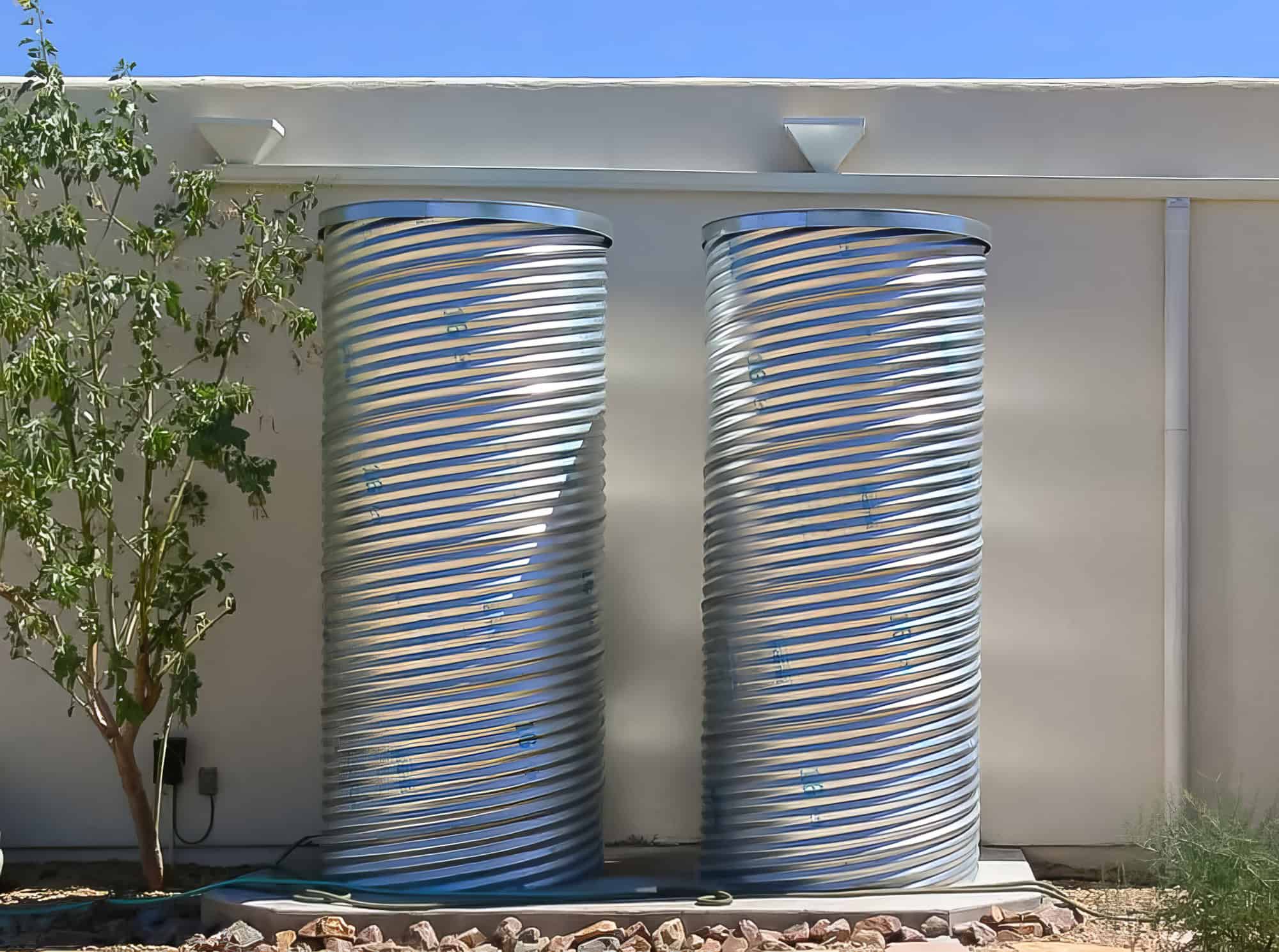
Winter rainwater harvesting is the practice of catching Tucson's cooler-season rains, the gentle storms that drift in from December through March after the summer monsoon has passed. Most local systems are built around the dramatic monsoon downpours, yet the quieter winter rains are steady, soak in slowly, and are easy to collect once your tank is clean and ready. For owners who already run rainwater harvesting systems in Tucson, the cold months are a second chance to fill a tank that would otherwise sit empty until July.
This guide covers why winter rain is worth catching, how to ready your tank after the monsoon, which storage options suit the season, and how to protect exposed hoses and fittings on the occasional cold night. Everything here applies to residential and commercial setups across the Tucson area, from a single plastic tank to a large cistern.
What Winter Rainwater Harvesting Means in Tucson
Winter rainwater harvesting means collecting the rain that falls across Tucson's second wet season, roughly December through March, instead of only during the summer monsoon. The goal is the same as any other time of year. You route roof runoff through your gutters into a storage tank so you can reuse the water later. What changes in winter is the character of the rain. It tends to be lighter and more drawn out, which means less sudden volume and more time for your system to take it in cleanly.
There are two broad ways to keep rain on a property. Active harvesting stores water in a tank for later use, while passive harvesting shapes the land into basins that soak water straight into the soil. This post is about active storage, but if you are weighing the two, our breakdown of active storage versus passive basins explains where each one fits.
Why Winter Rain Is Worth Catching in Tucson
Winter rain is worth catching in Tucson because it is the year's second dependable source of free water, arriving months after the monsoon and well before the spring dry spell. A tank topped up in January or February gives you a head start on spring irrigation, when rain is scarce and outdoor water use climbs. Catching it also eases demand on the municipal supply and can trim your water bill through the growing season.
The numbers back this up. According to the National Weather Service Tucson 1991 to 2020 normals, the city averages about 10.61 inches of rain a year, and the December through March window is its second wettest stretch after the monsoon.
The winter months each add a little. December averages about 0.96 inch, January and February about 0.84 inch each, and March about 0.56 inch. None of that is a downpour, but together it is enough to fill a tank over a season of patient collection.
How to Get Your Tank Ready After the Monsoon
Getting your tank ready after the monsoon comes down to cleaning the parts that collect debris and confirming that water still flows where it should. Summer storms push a lot of grit, palo verde litter, and dust through a system, so a quick autumn check sets you up to catch winter rain cleanly. Work through the whole path the water takes, from the roof to the overflow outlet.
Here is a simple winter-ready checklist to walk through before the first cold-season storm.
| Part of the system | What to check after the monsoon | Why it matters in winter |
|---|---|---|
| Canalones y bajantes | Clear out summer grit, dust, and plant litter so runs flow freely | Winter rain is light, so even small blockages keep water from reaching the tank |
| Entrada con pantalla | Confirm the screen is clean, intact, and seated | Keeps leaves and debris out so the first winter rains store clean |
| Sealed openings | Check that lids and access points still close fully | Blocks light, insects, and contaminants during months of slow collection |
| Overflow route | Make sure the overflow path is open and aimed at a safe runoff area | A full tank in steady rain needs somewhere safe to send extra water away from the foundation |
| Exposed hoses and spigots | Look over fittings, hoses, and valves for wear | These thin parts are the pieces most at risk on a cold Tucson night |
| Stored water use plan | Decide where the winter water will go in spring | Planning the draw now means the tank is ready to feed early plantings |
Clean inlets, intact seals, and a clear overflow path are what keep the winter water usable and your foundation dry. Screened inlets, sealed openings, and planned overflow are widely treated as standard best practice for cleaner stored water, so a single autumn pass through these points pays off all season.
Storage Options for Catching Winter Rain
The storage options for catching winter rain in Tucson are the same three that work year round: above-ground plastic tanks, steel culvert cisterns, and commercial storage tanks. Winter does not call for a special tank, so the right choice depends on how much water you want to hold and where it will sit. All three handle the mild local winters without trouble.
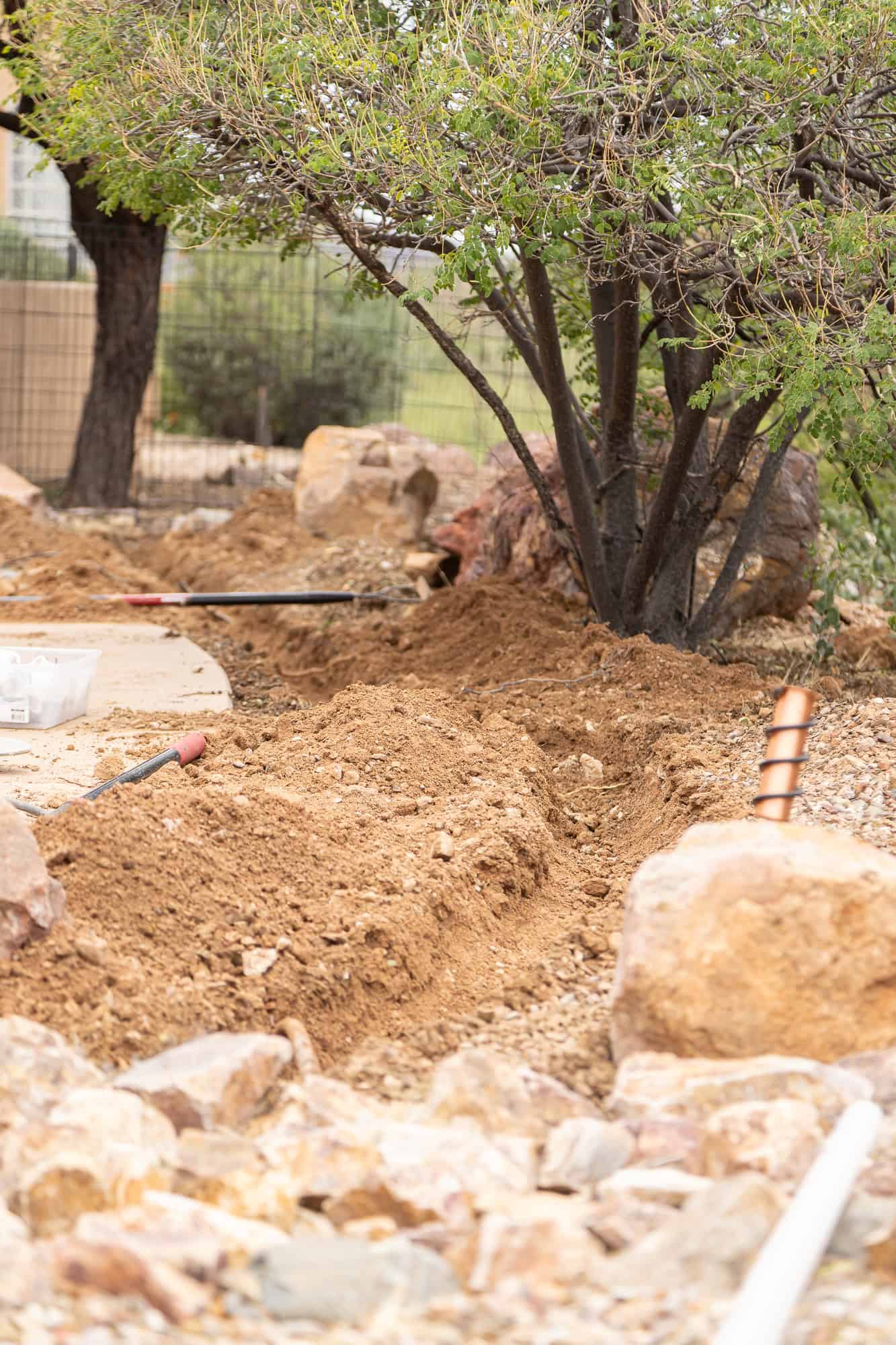
Above-ground plastic tanks are the common starting point for a home, easy to place beside a downspout and simple to maintain. For larger volumes, a durable cisterna de alcantarilla de acero holds more water in a rugged body built to last. Commercial storage tanks scale the same idea up for businesses and properties with big roofs. If you are not ready for a tank yet, underground drainage that ties into the gutter system can move roof water to a safe area now and leave the door open for storage later.
Protecting Hoses, Spigots, and Fittings on Cold Nights
Protecting exposed hoses, spigots, and fittings is the one winter task that genuinely matters in Tucson, because the stored water itself rarely freezes but small exposed parts can on a cold night. Normal overnight lows in December and January sit around 40.5 and 40.8 degrees Fahrenheit, which is well above freezing, though colder nights do happen a handful of times each winter.
The fix is simple. Disconnect and drain hoses when a hard freeze is in the forecast, and insulate or cover any above-ground spigots and narrow fittings that hold standing water. A large tank full of water keeps its temperature well and is not at risk on a typical Tucson night. The vulnerable points are the thin metal and plastic parts where a little trapped water can expand and crack.
Storing Winter Water for Spring Planting
Storing winter water for spring planting is the main payoff of collecting during the cold season, because it puts free water on hand exactly when Tucson turns dry and gardens wake up. Rain thins out through April, May, and June, so a tank filled over winter can carry a vegetable bed or new landscaping through the gap. Harvested rainwater suits landscape irrigation well and is a sustainable local resource that can lift a property's value.
Timing matters for incentives too. Tucson Water offers a rainwater harvesting rebate, and the details, amounts, and eligibility can change over time, so review the current rules in our rebate timing overview and confirm with the program before you build. Lining up a clean winter catch with a rebate-ready setup gets the most out of a single season.
Puntos clave
- Tucson's winter rains fall mostly from December through March and make up the year's second wet season.
- The National Weather Service puts Tucson's annual normal near 10.61 inches, with the winter window second only to the monsoon.
- A post-monsoon cleanup of inlets, seals, overflow routing, and gutters is what lets a system catch winter rain cleanly.
- Hoses, spigots, and fittings are the parts to protect on a cold night, not the tank itself.
- Water stored over winter is ready for spring planting before the April through June dry stretch.
Winter Rain Collection Questions from Tucson Homeowners
When is Tucson's winter rainy season?
Tucson's winter rainy season usually runs from December through March, the second wet stretch after the summer monsoon. The rain tends to be gentle and steady rather than heavy, which makes it easy on a harvesting system.
Do I need special equipment for winter rainwater harvesting in Tucson?
No, winter rainwater harvesting in Tucson uses the same gutters, inlets, and tank you already rely on during the monsoon. The season calls for a cleanup and a freeze check, not new hardware. Any standard above-ground tank or cistern handles the local winter.
Should I drain my rainwater tank before winter in Tucson?
No, you do not need to drain an above-ground tank for a normal Tucson winter. A full tank holds its temperature and stays useful for spring, and hard freezes deep enough to harm the stored water are not typical here. Focus on the exposed hoses and spigots instead.
How do I keep stored rainwater clean through the Tucson winter?
Clean screens, sealed lids, and a clear overflow path keep stored rainwater in good shape through winter. Keeping those points in order is the accepted way to protect the water, and a single autumn check usually covers them. Clearing debris before the first cold-season rain helps the most.
Is winter rain worth collecting if Tucson gets less of it than the monsoon?
Yes, winter rain is worth collecting even though it is lighter than the monsoon, because it arrives when a tank would otherwise sit empty. Steady cool-season rain fills storage slowly across several months. That water is then on hand for the dry spring ahead.
What should I do with my gutters before the winter rains arrive?
Clear your gutters and downspouts of summer debris so winter rain can reach the tank without blockages. The monsoon leaves grit, dust, and plant litter behind that can slow or divert flow. Clean runs of gutter also cut down on overflow onto fascia and foundations.
Are rebates available for rainwater harvesting in Tucson?
Tucson Water offers a rainwater harvesting rebate, but the amounts, eligibility, and program status can change over time. Always confirm the current terms with the program before you plan a system around them. A professional can help you set up a rebate-ready installation.